





Conquering Winter Snow Glare: How Polarized Lenses Protect Your Eyes on the Slopes and Highways
Conquering Winter Snow Glare: How Polarized Lenses Protect Your Eyes on the Slopes and Highways
Winter sunshine can make a snowy landscape difficult to look at comfortably. Reflections from snow and wet pavement can leave you squinting during a morning commute or a weekend outdoors. At Duvera Vision Group, we help patients across our Washington communities choose eyewear that balances glare reduction, UV protection, and the demands of winter activities.
Why Winter Glare Deserves Attention
Snow reflects sunlight, while lower winter sun angles can put bright light directly in your line of sight. Whether you are driving through Ephrata or heading out from Ellensburg for a mountain trip, these conditions can make seeing comfortably more challenging.
UV exposure also matters during cold weather. Snow reflects ultraviolet radiation, and exposure increases at higher elevations. Too much UV exposure can cause photokeratitis, sometimes called snow blindness, a painful injury to the eye's surface.
How Polarized Lenses Reduce Snow Glare
Polarized lenses filter reflected light that creates glare. In suitable daylight conditions, this can improve visual comfort and make details easier to distinguish. Prescription polarized sunglasses also provide the vision correction you need without wearing a second pair of glasses.
However, polarization alone does not provide UV protection. We recommend checking for lenses labeled UV400 or 100% UVA and UVB protection. A dark tint is not proof that lenses block harmful UV rays.
Choosing Eyewear for Winter Highways
For bright daytime drives around Moses Lake or Pullman, polarized sunglasses can reduce distracting reflections from wet pavement and other vehicles. The lens tint should still allow you to see clearly as lighting changes.
Polarized lenses can make some dashboard displays harder to read, so check visibility while parked. They can also reduce the reflections that help you recognize icy patches. When spotting ice is critical, nonpolarized sunglasses with UV protection may be a better choice. Avoid tinted sunglasses for night driving.
What to Wear on the Slopes
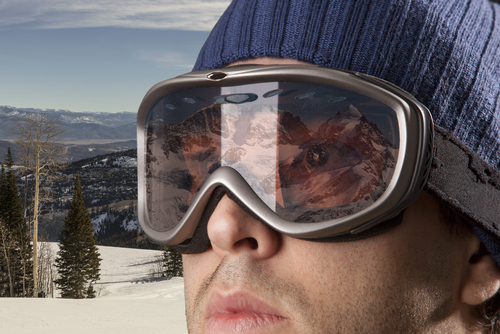
For skiing and snowboarding, we recommend evaluating the entire goggle setup. Useful features include:
Lenses that block 100% of UVA and UVB rays
Impact-resistant lenses designed for snow sports
A secure fit that works with your helmet
Ventilation and anti-fog features
A tint suited to the day's brightness and visibility
Polarization can reduce glare in snowy surroundings, but it is not ideal for every ski run. Because it can hide the shine of ice, nonpolarized snow goggles may be preferable when identifying icy terrain matters. Regular sunglasses also do not offer the same coverage against wind and blowing snow as well-fitting goggles.
Finding the Right Fit for Your Winter Routine
At our East Wenatchee office and other locations, we can discuss your prescription, driving habits, and outdoor activities to help you choose appropriate eyewear. Tell us whether glare bothers you most behind the wheel, during everyday outdoor tasks, or on mountain trips.
Prepare for brighter winter days with personalized eyewear guidance from Duvera Vision Group. Schedule an appointment at one of our Washington offices by calling East Wenatchee, WA, at (509) 884-9595; Ellensburg, WA, at (509) 925-9873; Ephrata, WA, at (509) 754-6131; Moses Lake, WA, at (509) 766-1880; or Pullman, WA, at (509) 334-1131.



Our Services
Our Locations
© 2026 Duvera Vision Group. All rights Reserved. Accessibility Statement - Employee Portal - Privacy Policy - Sitemap
Managed and Designed By
