






National Diabetes Month: How Diabetes Can Affect Your Vision
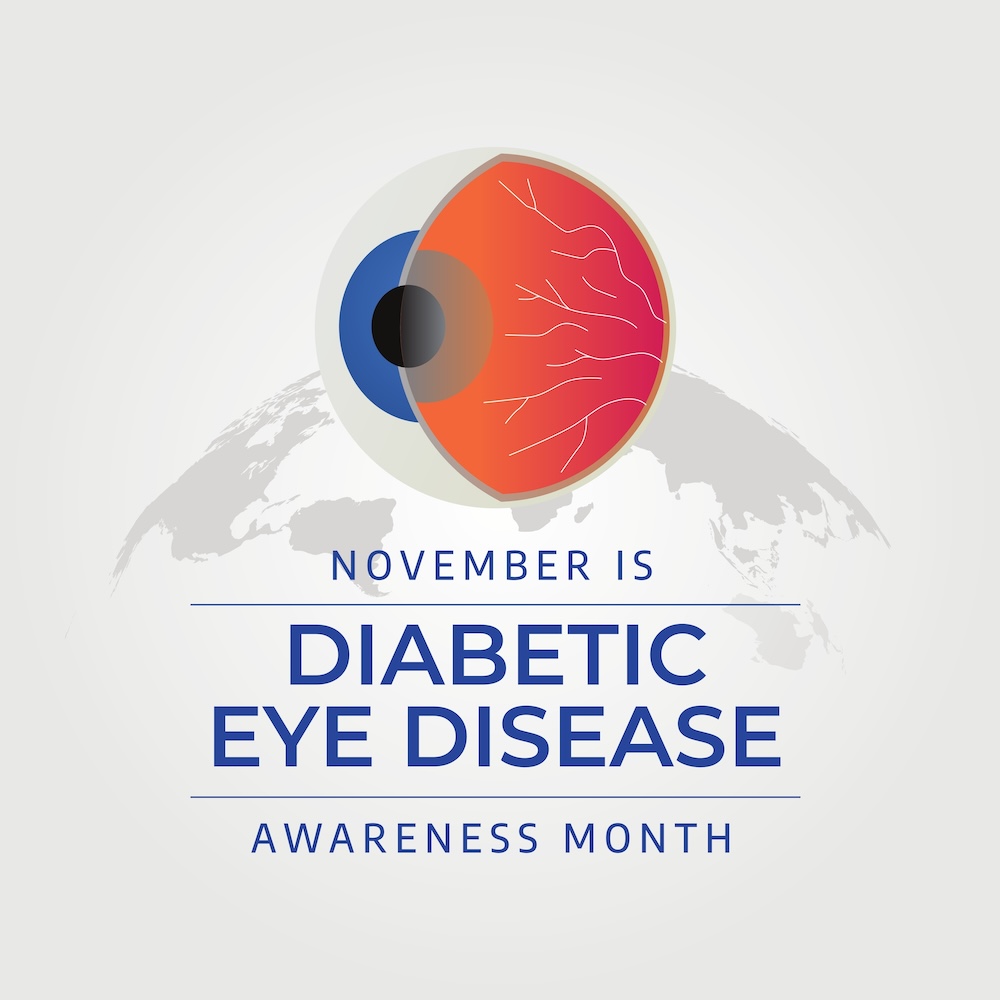
National Diabetes Month is an important reminder that diabetes can affect more than blood sugar. It can also impact your eyes and long-term vision. Many diabetes-related eye conditions develop quietly, which is why routine eye exams are essential for protecting your sight.
Why Diabetes Can Affect The Eyes
Diabetes can damage small blood vessels throughout the body, including the delicate vessels in the retina. The retina is the light-sensitive tissue at the back of the eye that helps you see clearly. When blood sugar levels remain high over time, these vessels can weaken, leak, swell, or become blocked.
This can lead to diabetic eye disease, a group of conditions that may affect vision. These changes are not always noticeable at first, so someone may have early eye damage without realizing it.
Common Diabetes-Related Eye Conditions
One of the most common diabetes-related eye concerns is diabetic retinopathy. This condition occurs when high blood sugar damages retinal blood vessels. In the early stages, it may not cause obvious symptoms. As it progresses, it can lead to blurry vision, floaters, dark spots, or vision loss.
Diabetes can also increase the risk of diabetic macular edema, which happens when fluid builds up in the macula. The macula controls sharp central vision, making it important for reading, driving, and recognizing faces.
People with diabetes may also have a higher risk of cataracts and glaucoma. Cataracts can make vision cloudy or dull, while glaucoma can damage the optic nerve and affect side vision.
Symptoms You Should Not Ignore
Some diabetes-related vision changes happen gradually, while others can appear suddenly. An eye exam is the best way to detect problems early, but it is important to pay attention to warning signs such as:
Blurry or fluctuating vision
New floaters or dark spots
Trouble seeing at night
Faded or washed-out colors
Eye pain or pressure
Sudden vision loss or shadows in your vision
Any sudden change in vision should be evaluated as soon as possible.
The Importance of Regular Eye Exams
A comprehensive eye exam can detect signs of diabetic eye disease before symptoms become severe. During the exam, the retina and other eye structures are checked for damage, swelling, bleeding, or other changes. Retinal imaging may also be used to capture detailed images of the back of the eye, helping monitor small changes over time.
For many people with diabetes, annual dilated eye exams are recommended. However, some may need more frequent visits depending on their eye health, blood sugar control, and medical history. Early detection gives patients more options for managing problems before vision is permanently affected.
Protecting Your Vision With Diabetes
Managing diabetes is a team effort, and eye care is an important part of that plan. Keeping blood sugar, blood pressure, and cholesterol under control can help reduce the risk of diabetic eye disease. Staying consistent with medical appointments and eye exams also helps monitor changes over time.
Healthy habits, proper medication use, and regular eye care can all support better long-term vision. Even if your vision feels normal, diabetic eye disease can still be developing, which makes preventive care especially important during National Diabetes Month and throughout the year.
Contact us today to schedule your diabetic eye care appointment and take a proactive step toward protecting your long-term vision.



Our Services
Our Locations
© 2026 Duvera Vision Group. All rights Reserved. Accessibility Statement - Employee Portal - Privacy Policy - Sitemap
Managed and Designed By
