






Night Driving Glare on Rain-Slicked Washington Roads: Causes, Risk, and Solutions
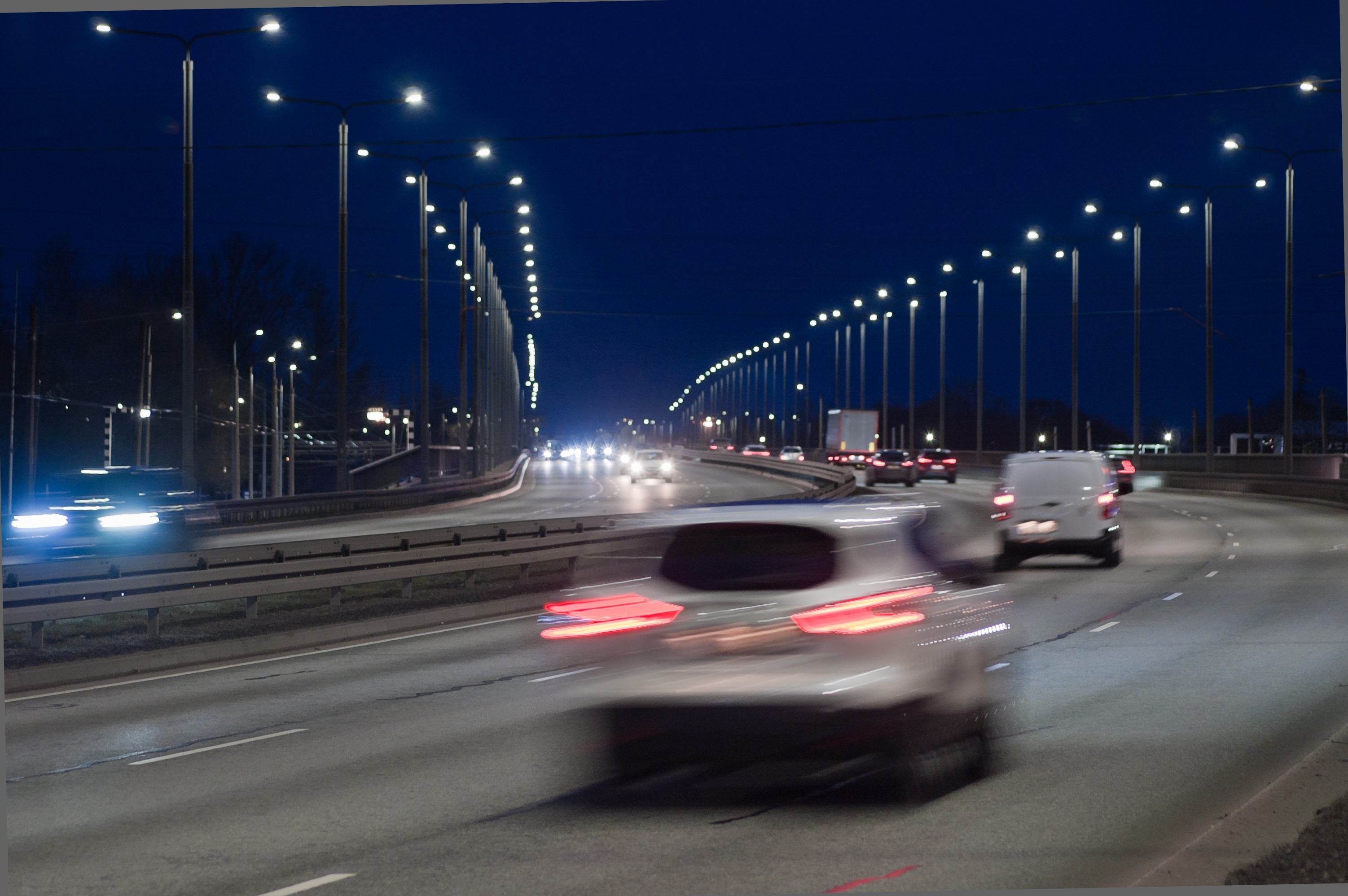
Driving after dark can already be visually demanding, but rain can make headlights, streetlights, and reflections significantly more distracting. Wet pavement reflects light toward drivers, while reduced contrast can make lane markings, pedestrians, and road hazards harder to distinguish.
If night driving glare has become increasingly uncomfortable, the problem may involve more than challenging weather conditions. Changes in your vision or eye health can also make glare more noticeable.
Why Does Rain Make Night Driving Glare Worse?
When roads are wet, water creates a reflective surface that scatters headlights and other artificial light. Instead of light being absorbed by the pavement, more of it is reflected into your field of vision.
Your pupils also enlarge in darker conditions to let in more light. This can make certain vision imperfections more noticeable, particularly when bright headlights suddenly enter your line of sight.
Eye Conditions That Can Increase Glare
Persistent glare, halos, or starbursts around lights may indicate an underlying vision issue. Common causes include:
• Uncorrected nearsightedness, farsightedness, or astigmatism
• An outdated eyeglass or contact lens prescription
• Dry eye that creates an irregular tear film
• Cataracts that scatter light entering the eye
• Changes in the cornea or other parts of the visual system
A comprehensive eye exam can help determine whether your night driving difficulties are related to your prescription, eye health, or another visual concern.
Why Night Driving Glare Can Become a Safety Concern
Glare can temporarily reduce contrast and make it harder to see details beyond an approaching vehicle's headlights. Rain may compound the problem by obscuring road markings and increasing reflections across the windshield and pavement.
Drivers experiencing significant glare may need more time to identify curves, pedestrians, stopped vehicles, or objects in the roadway. If you regularly squint, slow down substantially, or avoid driving at night because of your vision, it is worth having your eyes evaluated.
How Can Night Driving Vision Be Improved?
The right solution depends on what is causing the glare. Updating an outdated prescription may provide sharper distance vision, while properly fitted lenses with an anti-reflective coating can reduce distracting reflections from the front and back surfaces of eyeglasses.
If dry eye is contributing to fluctuating or blurry vision, treating the ocular surface may improve visual quality. Patients with cataracts or other eye health changes may need additional evaluation to determine the appropriate treatment.
When Should You Schedule an Eye Exam?
Occasional glare during difficult driving conditions can happen to anyone. However, increasing glare, halos around lights, blurred distance vision, or difficulty seeing road signs at night should not be ignored. A comprehensive eye exam allows us to evaluate your prescription and overall eye health while identifying factors that may be affecting your ability to see comfortably after dark.
Schedule an eye exam with Duvera Vision Group to find out what may be contributing to night driving glare and explore options for clearer vision. Contact us at one of our locations in Pullman at (509) 334-1131, Ellensburg at (509) 925-9873, Ephrata at (509) 754-6131, Moses Lake at (509) 766-1880, or East Wenatchee at (509) 884-9595 to book an appointment today.

Our Services
Our Locations
© 2026 Duvera Vision Group. All rights Reserved. Accessibility Statement - Privacy Policy - Sitemap
Managed and Designed By
