






Why Adults With No Symptoms Still Need Routine Eye Exams
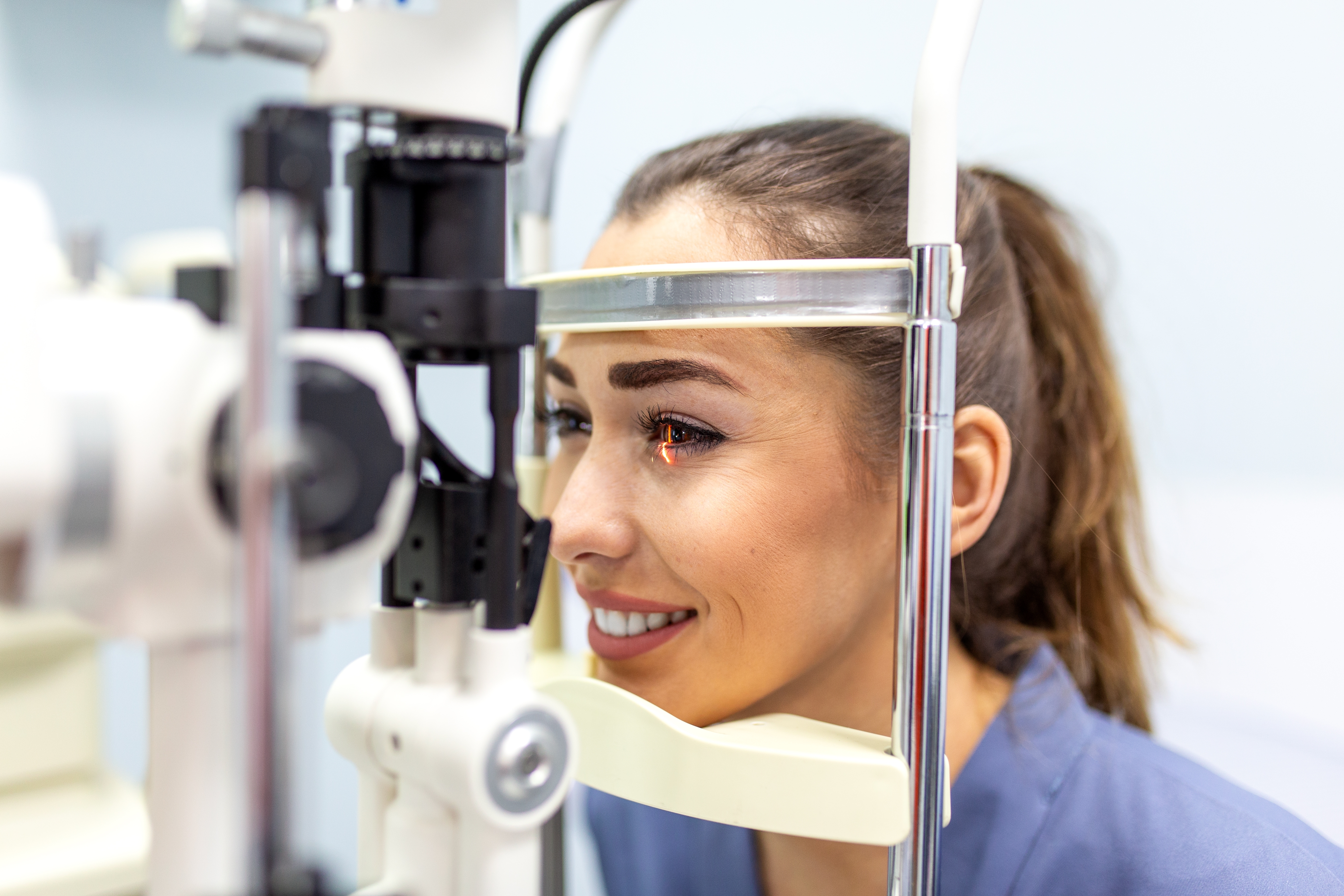
Clear vision does not always mean your eyes are completely healthy. Many eye conditions can develop gradually without causing noticeable symptoms in their early stages. Routine eye exams help adults protect their vision, update their prescriptions, and identify potential concerns before they begin affecting daily life.
Eye Conditions Can Develop Quietly
Some eye diseases do not cause pain, blurry vision, or other obvious warning signs at first. Changes related to glaucoma, cataracts, retinal conditions, and other concerns may go unnoticed without a professional evaluation.
During a routine eye exam, our eye doctor examines the internal and external structures of your eyes. Early detection may provide more options for monitoring or managing a condition before significant vision changes occur.
Your Vision Can Change Gradually
Adults often adapt to small changes in their eyesight without realizing it. You might move closer to a screen, increase the font size on your phone, or avoid driving at night without connecting these habits to a vision change.
Routine eye exams can determine whether your glasses or contact lens prescription still meets your needs. An updated prescription may improve comfort, visual clarity, and performance during work, driving, reading, and other activities.
Routine Exams Evaluate More Than Visual Sharpness
An eye exam involves more than reading letters from a chart. Depending on your needs, the evaluation may assess:
• Near and distance vision
• Eye focusing and coordination
• Peripheral vision
• Eye pressure
• The health of the retina and optic nerve
• Signs of digital eye strain or dry eye
• Changes that may require additional monitoring
These evaluations help create a clearer picture of your overall eye health, even when you are not experiencing symptoms.
Certain Adults May Need More Frequent Exams
How often you should schedule an eye exam depends on factors such as your age, prescription, medical history, medications, and family history of eye disease. Adults with diabetes, high blood pressure, previous eye injuries, or a strong family history of vision conditions may require closer monitoring.
People who spend long hours using computers may also benefit from routine evaluations. Screen use can contribute to eye fatigue, headaches, dryness, and focusing discomfort, even when distance vision remains clear.
Preventive Eye Care Supports Long-Term Vision
Waiting until a problem becomes noticeable may allow an eye condition to progress. Routine eye exams provide an opportunity to track changes over time and discuss any concerns about vision, eye comfort, or daily visual demands.
Schedule your annual comprehensive eye exam with Duvera Vision Group to protect your eye health and maintain clear vision. Contact our office in Pullman, WA, by calling (509) 766-1880 to book an appointment.



Our Services
Our Locations
© 2026 Duvera Vision Group. All rights Reserved. Accessibility Statement - Employee Portal - Privacy Policy - Sitemap
Managed and Designed By
