






Why Pediatric Eye Exams Matter Before the School Year Begins
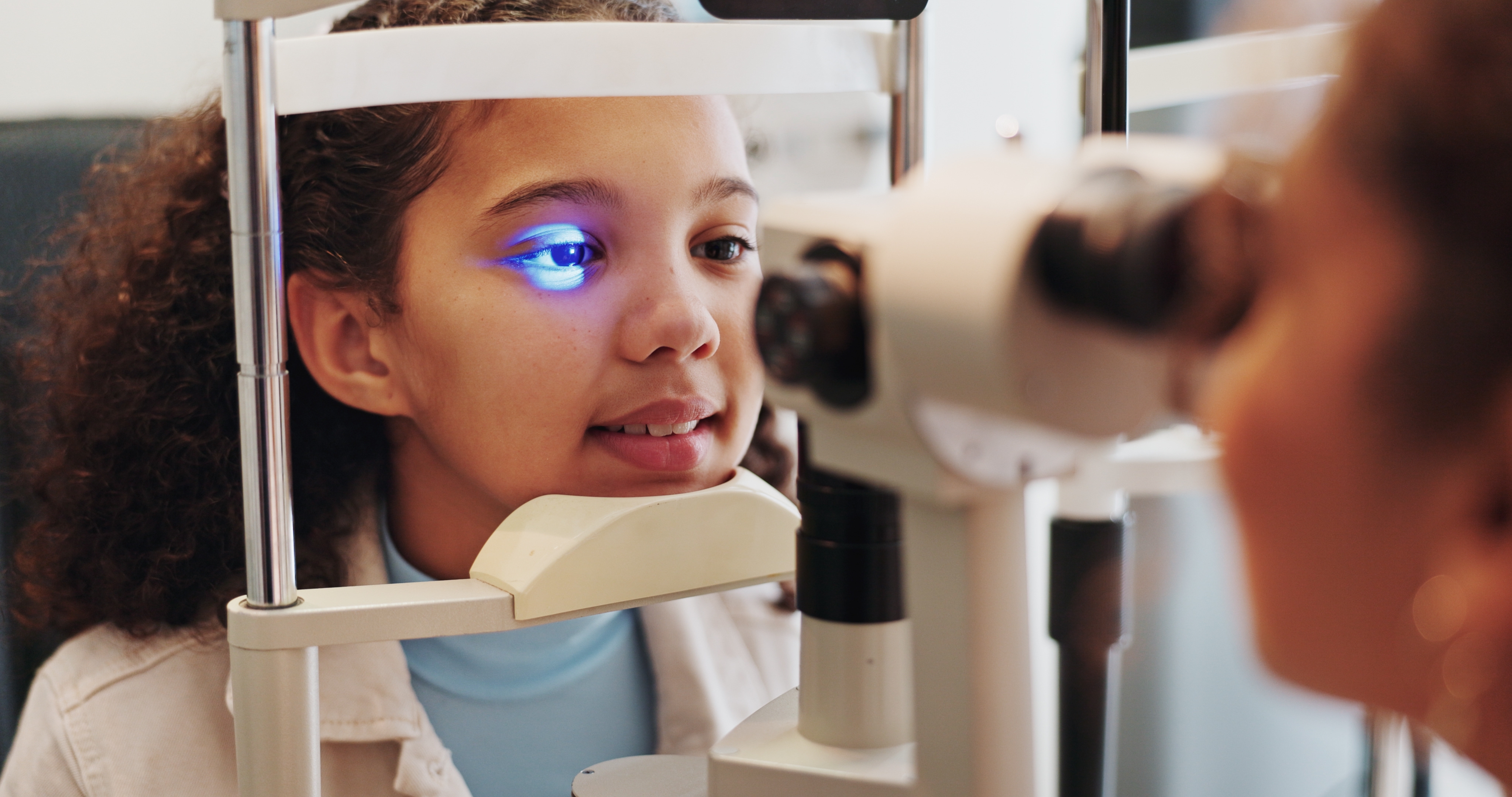
As families prepare for a new school year, scheduling a pediatric eye exam should be part of the back-to-school checklist. Clear, comfortable vision plays an important role in reading, writing, using digital devices, and following classroom instruction. A pediatric eye exam in Ephrata, WA can identify vision concerns that may otherwise affect a child’s learning and confidence.
Vision Supports Classroom Learning
Children rely heavily on their eyesight throughout the school day. They need to see the board clearly, focus on books, track words across a page, and shift their attention between near and distant objects. When these visual skills are not working properly, schoolwork can become frustrating.
Some children may not realize their vision is unclear because they assume everyone sees the same way. Others may struggle to explain what they are experiencing. A pediatric eye exam allows our eye doctor to evaluate vision development and determine whether corrective lenses or further care may be helpful.
Signs Your Child May Have a Vision Problem
Vision concerns do not always cause obvious complaints. Parents and teachers should watch for behaviors that could indicate a child is having difficulty seeing, including:
• Squinting or closing one eye
• Sitting unusually close to screens
• Holding books close to the face
• Frequent headaches or tired eyes
• Losing their place while reading
• Rubbing the eyes often
• Avoiding reading or detailed tasks
• Difficulty seeing the classroom board
These signs can sometimes be mistaken for attention or academic problems. Scheduling a pediatric eye exam in Ephrata, WA helps determine whether vision may be contributing to the issue.
School Screenings Have Limitations
School vision screenings can provide useful information, but they are not a replacement for a comprehensive eye exam. Many screenings focus mainly on distance vision and may not detect concerns involving eye coordination, focusing ability, depth perception, or eye health.
A complete pediatric eye exam takes a closer look at how the eyes function individually and together. It can also identify common refractive errors such as nearsightedness, farsightedness, and astigmatism.
Children’s Vision Can Change Quickly
A child’s eyes continue to grow and develop throughout the school years. Vision that was clear during a previous exam may change before the next academic year begins. Increased reading, homework, and screen use can also make previously unnoticed symptoms more apparent.
Regular pediatric eye exams help families monitor these changes and address concerns before they begin interfering with school performance. Early care may also help children feel more comfortable participating in sports, classroom activities, and social situations.
Schedule Before School Starts
Scheduling an exam before the school year begins gives families time to complete any recommended follow-up care or order eyeglasses before classes become busy. It also allows children to begin the year with the visual support they need instead of waiting until problems arise.
Schedule your child’s eye exam at Duvera Vision Group to support clear, healthy vision for the school year ahead. Contact our office in Ephrata, WA, by calling (509) 766-1880 to book an appointment.


Our Services
Our Locations
© 2026 Duvera Vision Group. All rights Reserved. Accessibility Statement - Employee Portal - Privacy Policy - Sitemap
Managed and Designed By
